Sam Koch · 8 September 2026
Forged in Flux: How Shifting Auto Preferences Are Reshaping Domestic Supplier Networks
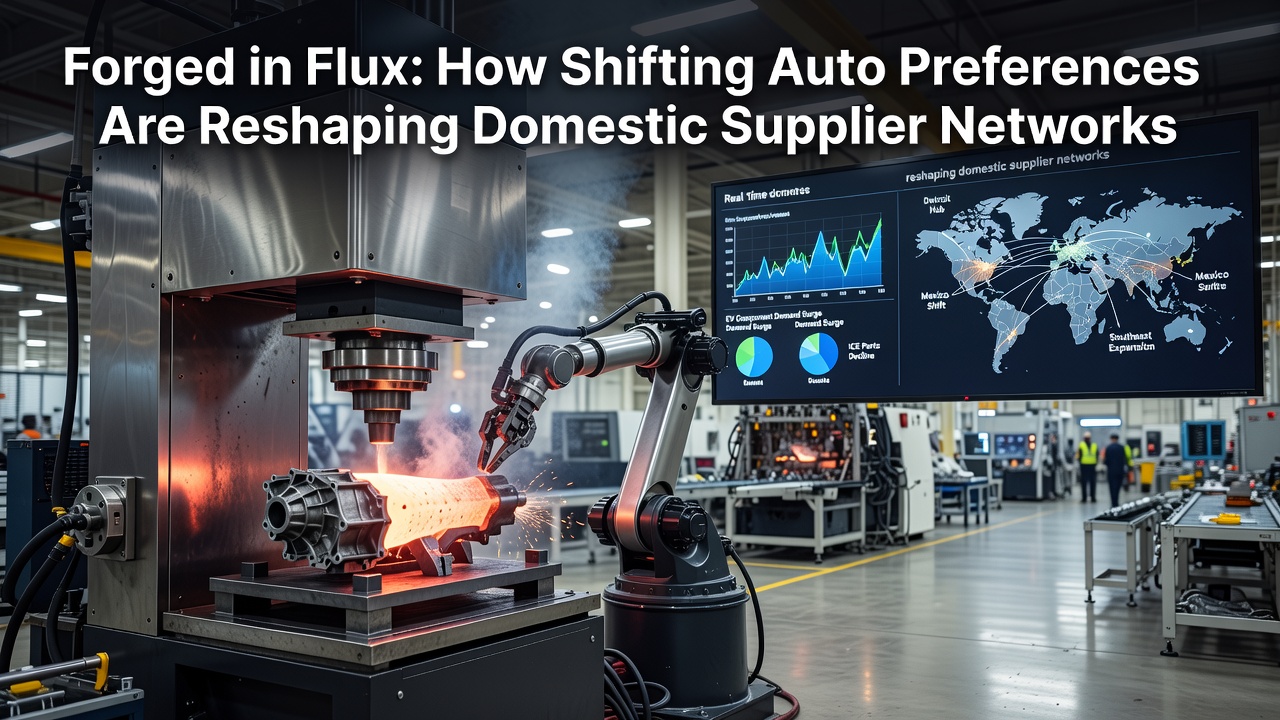
Auto manufacturers have accelerated their transition toward electric vehicles and lighter vehicle architectures, and this change has prompted domestic forging suppliers to adjust their material sourcing, production processes, and geographic footprints. Data from industry tracking services shows that traditional steel-intensive powertrain components have declined in volume while demand for aluminum and high-strength alloy forgings has risen steadily since 2023. Suppliers who once focused on engine blocks and crankshafts now receive more orders for battery tray structures, suspension arms, and motor housings that require different metallurgical properties and tighter tolerances.
Material Shifts Drive Process Changes
Electric vehicle platforms favor reduced mass to extend driving range, so design teams specify aluminum forgings in greater quantities than before. Observers note that forging presses originally calibrated for carbon steel now run higher volumes of 6xxx and 7xxx series aluminum alloys, which demand precise temperature control during heating and forming. Equipment upgrades have included new induction heaters and closed-loop cooling systems that maintain consistent grain structure across larger production runs. Research indicates these modifications improve yield rates while meeting the fatigue requirements specified by automotive OEMs for structural parts.
September 2026 figures from supply-chain monitoring platforms reveal that aluminum forging capacity utilization at North American facilities reached 78 percent, up from 61 percent three years earlier. This increase coincides with the opening of two new press lines dedicated to electric-vehicle components in the Midwest and one additional line in the Southeast. Companies that invested early in multi-axis CNC machining cells after forging have captured more of the value chain, delivering near-net-shape parts that require minimal secondary operations.
Supplier Network Reconfiguration
Domestic suppliers have responded to these demand signals by forming joint ventures and long-term contracts with specialty metal producers. One study released by a university research center found that tier-two forgers located within 300 miles of final assembly plants gained share because shorter transit times reduce the risk of just-in-time delivery disruptions. At the same time, some legacy suppliers have consolidated operations, closing older hammer shops that lacked the precision needed for thin-wall aluminum components.
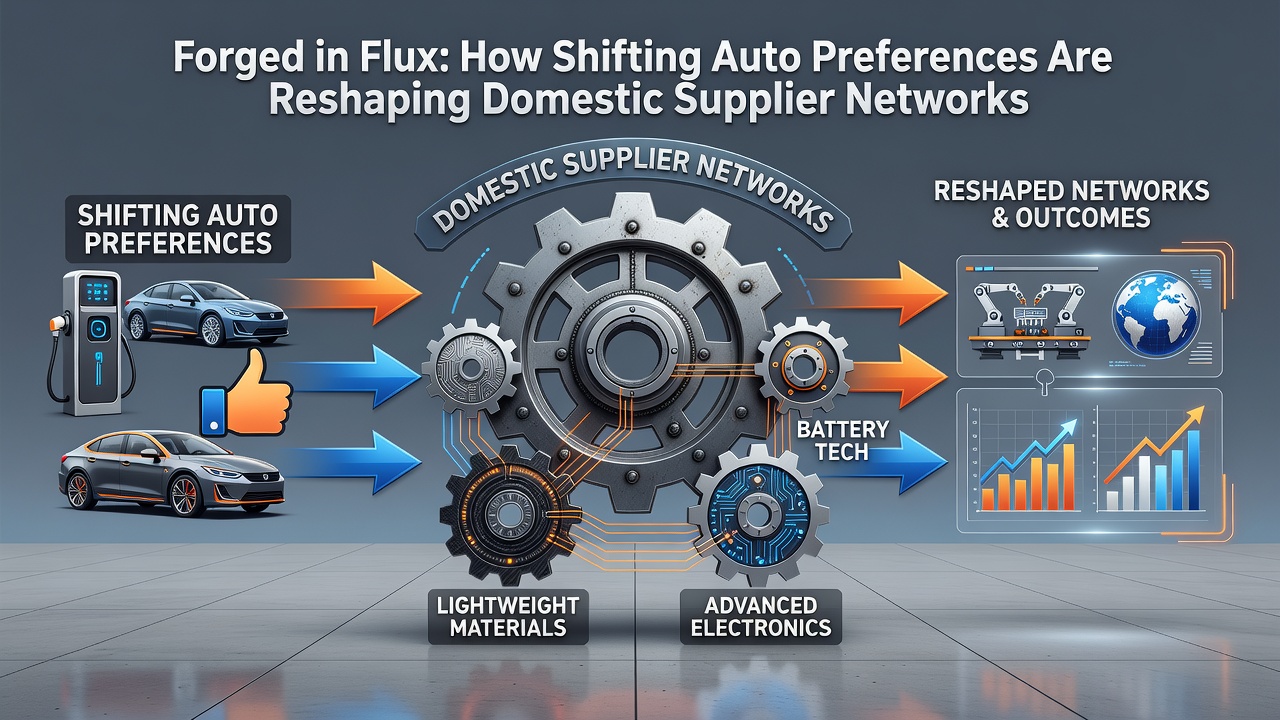
Logistics patterns have also evolved. Parts that previously traveled by rail from distant mills now move by dedicated truck fleets or regional intermodal hubs that serve multiple assembly plants. According to trade association statistics, the average distance from forging plant to vehicle assembly point dropped by 18 percent between 2022 and 2026. This contraction reflects both the addition of new capacity closer to customers and the strategic decision by some OEMs to dual-source critical forgings from geographically separated facilities.
Workforce and Technology Adaptation
Skilled labor requirements have shifted alongside equipment. Forging operators now train on simulation software that predicts metal flow in aluminum dies, reducing trial-and-error during new part qualification. Community colleges in traditional manufacturing regions report increased enrollment in programs covering non-destructive testing and metallographic analysis. Government workforce grants have supported several of these initiatives, enabling suppliers to retain experienced press operators while adding technicians familiar with digital process monitoring.
Process data collected from modern forging lines shows real-time adjustments to ram speed and die lubrication based on sensor feedback. These closed-loop controls help maintain dimensional consistency across batches that can exceed 10,000 pieces per week. Suppliers who adopted such systems early have qualified for higher-tier status with automakers that demand statistical process control documentation for every shipment.
Conclusion
The combination of electric vehicle adoption, lightweighting mandates, and regional supply resilience goals continues to reshape domestic forging networks. Capacity investments, material substitutions, and workforce development programs all reflect the same underlying pressure: automotive buyers now specify different part geometries, different alloys, and tighter delivery windows than they did a decade ago. Suppliers that align their capital plans and technical capabilities with these requirements maintain their position in the evolving value chain, while those that do not face reduced order volumes.