Sam Koch · 17 November 2026
Coal Forges Adopt Sensor Networks to Counter Tariff Effects on Component Supply Chains
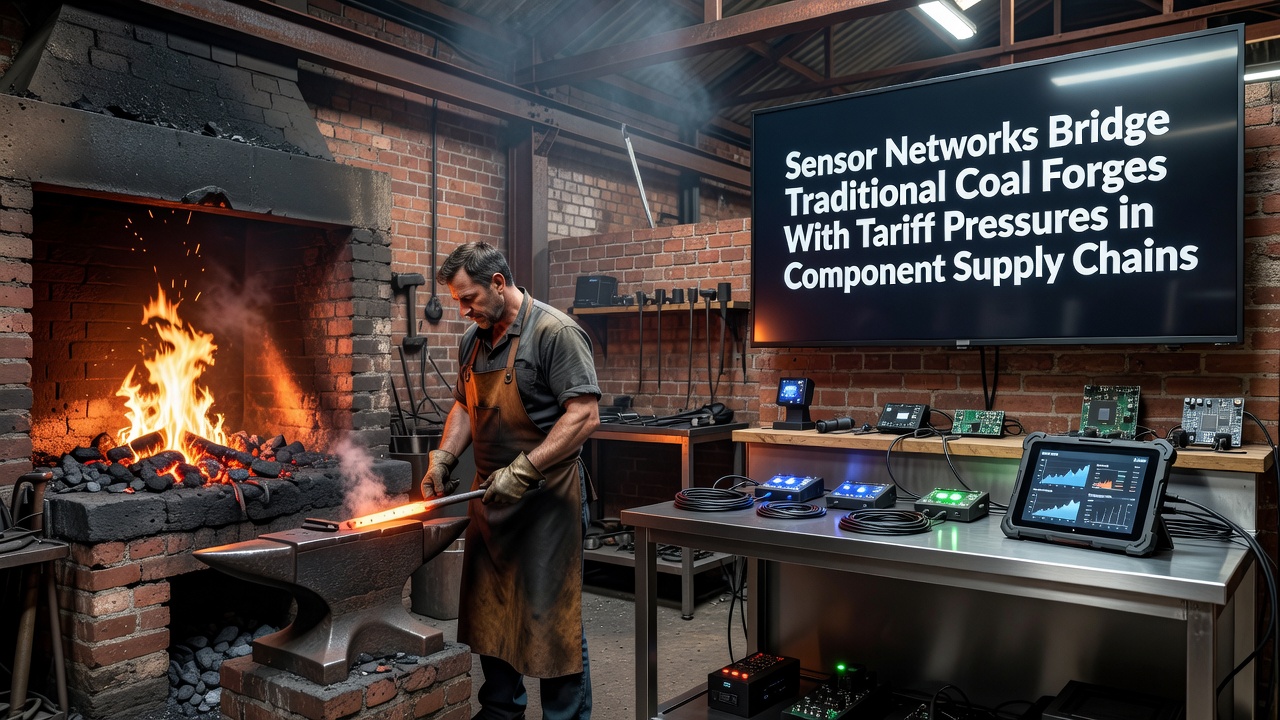
Coal-based forging facilities have begun integrating sensor networks that track temperature, pressure, and material flow in real time while connecting those readings to broader supply chain databases affected by shifting tariffs. These systems allow operators to adjust production schedules when component costs fluctuate due to trade policies implemented across multiple regions.
Data from industry reports shows that by November 2026 several mid-sized forges in the United States and Canada had installed wireless sensor arrays inside coal-fired furnaces to monitor coal consumption rates alongside incoming raw material prices. The networks transmit information directly to procurement teams who then reroute orders when tariffs on steel alloys from certain countries increase by more than 15 percent.
Traditional Operations Meet Digital Monitoring
Coal forges traditionally relied on manual checks of furnace conditions and paper-based inventory logs, yet sensor networks now capture continuous streams of data on heat distribution and hammer cycle times. Observers note that facilities using these arrays report fewer instances of over-heating coal beds which previously led to wasted fuel and delayed shipments.
Researchers at technical universities in Germany and Australia have documented how similar sensor placements in heavy industry reduced unplanned downtime by linking furnace performance metrics to external tariff databases maintained by government trade offices. In practice this means a forge in Ohio can receive alerts when European Union tariffs on imported refractory materials change, allowing managers to switch suppliers before stocks run low.
Tariff Pressures Reshape Procurement Patterns
Tariffs imposed on specialty components from Asia and Europe have prompted forging plants to diversify their supplier lists while maintaining coal as the primary heat source. Sensor networks help by providing live updates on both internal production variables and external pricing signals pulled from public trade data portals.
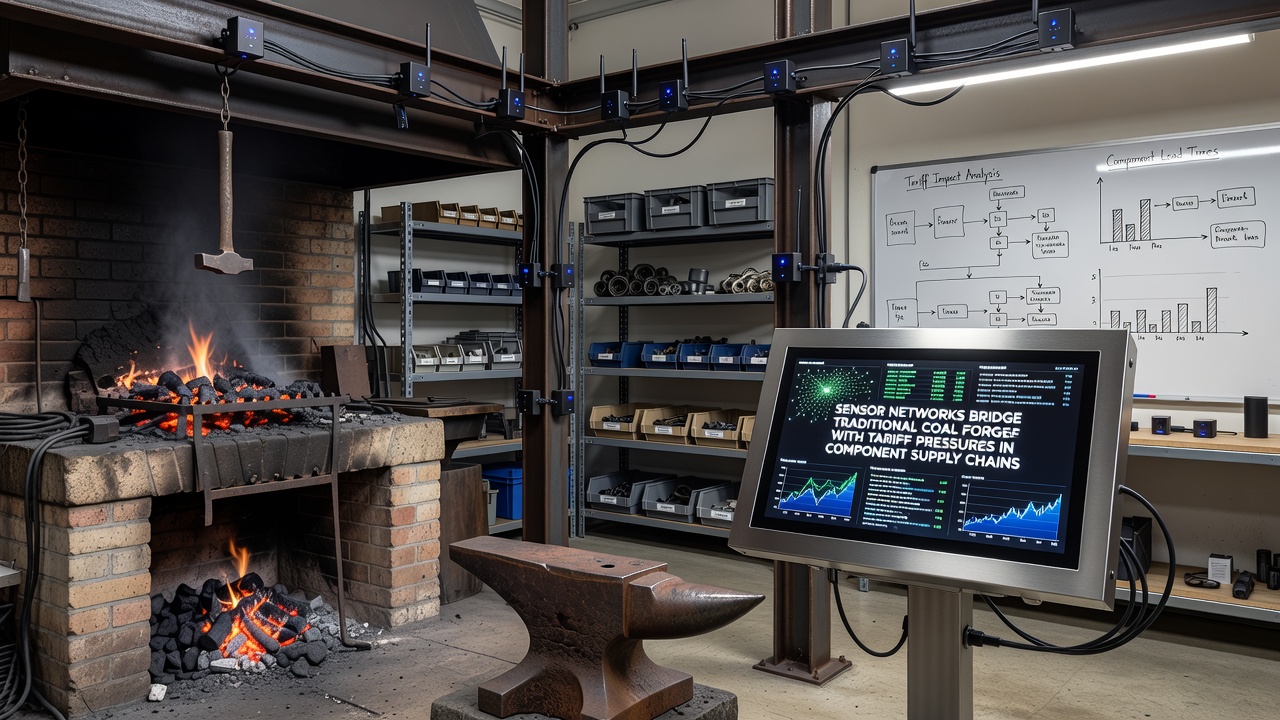
According to figures released by the U.S. Department of Commerce, tariff adjustments announced in mid-2026 raised costs on certain forged parts by an average of 22 percent for domestic buyers. Forges that added sensor-driven monitoring systems responded by increasing local coal sourcing and adjusting batch sizes based on predictive alerts about upcoming trade restrictions.
Case Examples from Operating Facilities
One forge in Pennsylvania installed a network of temperature and vibration sensors across its coal-fired hammers in early 2026, then connected the output to a shared platform that also pulled tariff schedules from Canadian trade authorities. When duties on imported die steel rose in October, the system flagged the change and the facility shifted to a domestic supplier within 48 hours, avoiding a projected two-week delay.
Another operation in Alberta linked its coal usage sensors to academic research models developed at the University of British Columbia that forecast supply disruptions. The integration allowed planners to stockpile specific alloys ahead of expected tariff announcements while keeping coal combustion rates optimized for energy efficiency.
Technical Integration Steps
Engineers typically begin by placing ruggedized sensors at key points inside coal furnaces and along conveyor lines, then route the signals through secure gateways that feed both local control rooms and cloud-based supply dashboards. These dashboards incorporate open data feeds from international trade organizations so operators see tariff impacts alongside their own production metrics.
Maintenance teams calibrate the sensors quarterly to ensure readings remain accurate under high-heat conditions common in coal forging. Calibration records indicate that properly maintained networks maintain data accuracy above 97 percent even after 18 months of continuous operation.
Conclusion
Sensor networks continue to expand their role in coal forges by connecting real-time furnace data with external tariff information that affects component availability. Facilities adopting these systems gain the ability to adjust sourcing and production schedules in response to trade policy shifts documented by government agencies and research institutions. As more forges complete installations, the combined effect on supply chain resilience becomes measurable through reduced lead times and stabilized material costs across the sector.