Casey Griffin · 6 October 2026
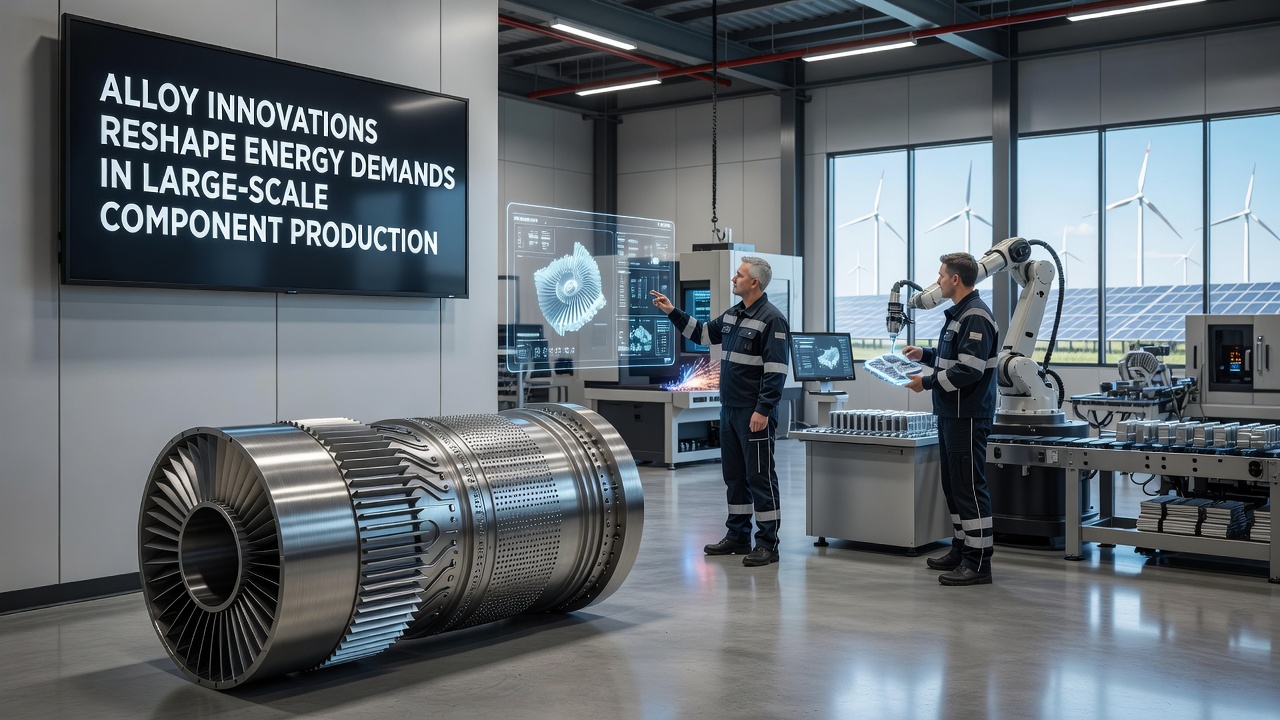
Alloy Innovations Reshape Energy Demands in Large-Scale Component Production
Developments in alloy compositions continue to alter how manufacturers approach energy consumption during the production of large-scale components, and these shifts appear across multiple industrial sectors including aerospace, heavy machinery, and infrastructure projects. New high-performance alloys often require adjusted heating cycles and processing temperatures, which in turn influence overall plant energy profiles while maintaining or improving mechanical properties such as tensile strength and corrosion resistance.
Recent Alloy Formulations and Processing Adjustments
Researchers at several universities have documented how titanium-aluminum-vanadium variants and nickel-based superalloys with modified grain structures allow for lower forging temperatures compared to earlier generations, and data from laboratory trials indicate potential reductions in thermal energy input during initial heating stages. These formulations frequently incorporate trace elements that enhance workability, enabling operators to shorten dwell times in furnaces without compromising final part integrity, while equipment manufacturers have responded by refining induction heating systems to match the thermal profiles of these materials.
One study released in 2025 examined production runs at facilities handling components weighing over five tons, and the findings revealed that optimized alloy batches reduced peak furnace loads by measurable margins when paired with controlled cooling sequences. Observers note that such changes also affect downstream operations like machining and surface treatments, since the resulting microstructures sometimes exhibit different hardness levels that influence tool wear rates and secondary energy use.
Energy Consumption Patterns Across Production Stages
Energy demands in large-scale forging typically concentrate in heating, deformation, and heat treatment phases, yet innovations in alloy design redistribute these loads by allowing some processes to occur at reduced temperatures or with shorter hold periods. Figures compiled by the U.S. Department of Energy show that heating accounts for roughly 60 percent of total energy in conventional steel forging operations, and newer alloys designed for improved forgeability have begun to narrow that share in pilot programs conducted through 2026.
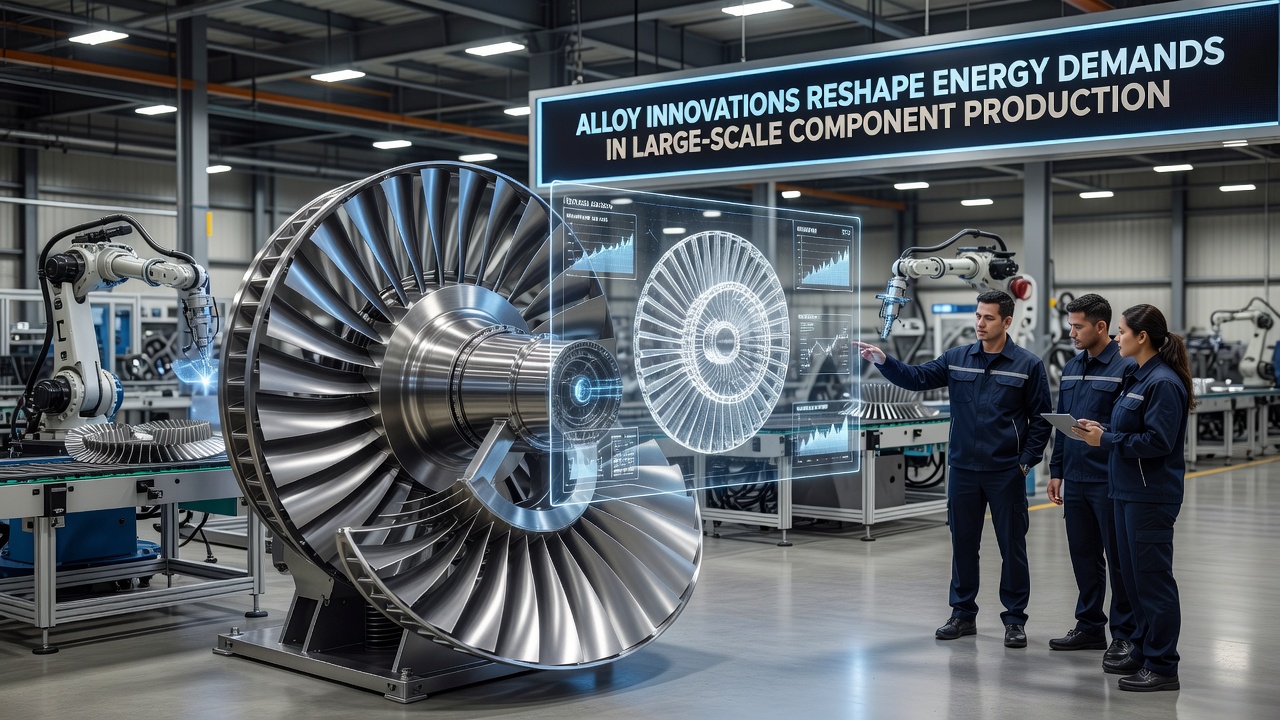
Plants adopting these alloys report that real-time monitoring systems now track variable energy draw more precisely, and integration with process control software helps operators adjust parameters on the fly. In October 2026 several facilities plan to present updated performance metrics at industry gatherings, highlighting how specific alloy batches correlate with lower natural gas consumption per ton of finished product. European Commission energy efficiency reports similarly track parallel trends in member states where regulatory targets encourage adoption of materials that support reduced carbon intensity in heavy manufacturing.
Implementation Examples from Industrial Settings
Take one mid-sized supplier in the Midwest region that transitioned a line producing turbine disks to a newly developed nickel-cobalt alloy, and production logs indicate that furnace runtime decreased while maintaining required metallurgical specifications. Another case involves a Canadian facility specializing in pressure vessel components, where researchers collaborated with plant engineers to test niobium-enhanced steels that responded well to lower austenitizing temperatures, resulting in documented drops in electricity demand during peak production shifts.
These examples illustrate how material science advancements translate into operational adjustments, and companies often combine alloy changes with incremental upgrades to insulation, burner technology, and waste heat recovery systems. The combined effect creates compounding savings that accumulate across multiple production cycles, although initial qualification testing for new alloys requires dedicated energy and time resources before full-scale rollout.
Broader Industry Data and Projections
Industry associations tracking metal forming statistics have noted gradual increases in the share of advanced alloys within total tonnage produced, and projections through 2028 suggest continued growth driven by performance requirements in end-use applications. Academic papers published in materials science journals describe modeling approaches that predict energy outcomes based on alloy chemistry, cooling rates, and equipment configurations, providing planners with tools to estimate impacts before committing to material switches.
Supply chain considerations also enter the equation, since sourcing consistent batches of specialized alloys demands coordination with mills that maintain tight compositional controls, and variations in feedstock can alter the energy needed for homogenization steps. Facilities that maintain detailed records of both material properties and energy metrics find it easier to identify correlations and refine processes iteratively over successive quarters.
Conclusion
Alloy innovations continue to influence energy requirements in large-scale component production through changes in processing temperatures, cycle times, and material behaviors during deformation and treatment stages. Data from government agencies, academic studies, and operational records demonstrate measurable shifts in consumption patterns as manufacturers integrate these materials into existing workflows. Ongoing monitoring and cross-sector collaboration help refine these approaches, supporting alignment with efficiency targets across different regulatory environments.